
Newsletter – a guide to content, design and strategy
A newsletter is a recurring email that helps businesses, organizations and creators build relationships, create engagement and drive traffic back to their content. In this guide we go through what a newsletter is, how the English word relates to the Swedish nyhetsbrev, how to structure the content and what it takes to create emails that actually get read.
Do you also want to create and send emails in practice? Then you can read more about our newsletter tool.
What is a newsletter?
A newsletter is an email that is sent regularly to subscribers. The content can be news, tips, guides, offers, inspiration, event invitations or updates. What characterizes a newsletter is that the recipients have chosen to receive it themselves, so the email builds on an existing relationship.
Unlike content on social media, you own both the recipient list and the channel. A good newsletter can therefore become a stable, long-term part of your communication, whether you are writing to customers, members, participants or followers.
Newsletter or nyhetsbrev – what is the difference?
In Swedish, the English word newsletter and the Swedish word nyhetsbrev are often used for the same kind of email. Newsletter is common in marketing, content marketing and digital communication, while nyhetsbrev is the most common Swedish word.
This page focuses on the newsletter as a concept, a structure and content. If you are looking for a way to create newsletters and send emails on a Swedish platform, you can go on to our page about newsletters.
Why use a newsletter in your communication?
A newsletter is an effective channel because you communicate directly with people who have already shown an interest in what you do. You don't depend on algorithms, and you can follow how the recipients actually interact with the content.
The benefits of a newsletter:
- You own the contact with the recipient
- You can build a relationship and recognition over time
- You can measure opens, clicks and engagement
- You can segment emails for different target groups
- You can drive traffic to guides, articles, products and events
How do you create a good newsletter?
To create a good newsletter you need to combine clear content, a good structure and a design that works as well on mobile as on desktop. The goal isn't to fit in as much as possible, but to make it easy for the recipient to understand what the email is about and what the next step is.
- Start with a clear subject line that sparks interest without being vague or clickbait.
- Show the value early in the introduction, so that the reader understands right away why the email is relevant.
- Divide the content into sections with clear headings and space between the blocks.
- Have a clear call to action in every part – what do you want the recipient to do?
- Prioritize readability on mobile, since many people open their newsletter on their phone.
How to structure the content of a newsletter
A clear structure helps the recipient understand the email quickly, even if they only skim it. A newsletter should feel easy to take in and easy to act on.
A common structure can look like this:
- Headline or subject line
- Short introduction
- 1–3 main blocks of content
- Clear links or buttons
- Closing with a next step
An example of a content structure:
- Introduction: What does the reader get in this email?
- Block 1: Current news, a trend or an update
- Block 2: A guide, tips or a customer case
- Block 3: An invitation to an event, webinar or demo
- Closing: A clear CTA with a link
Newsletter examples
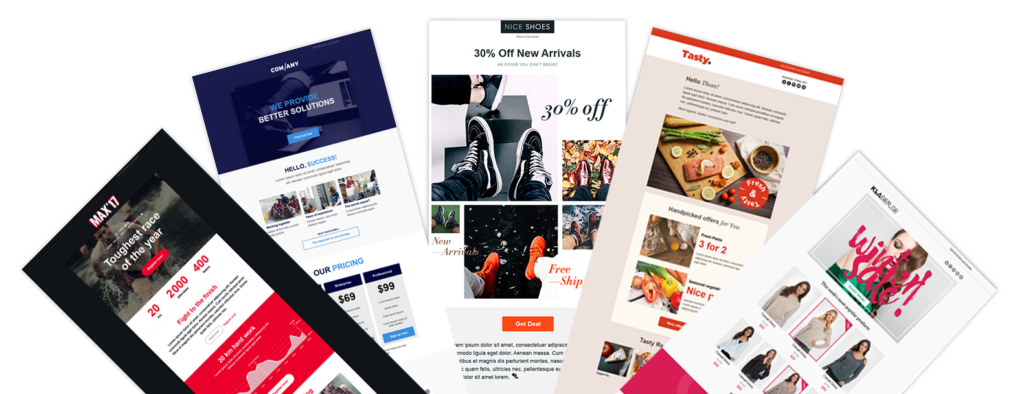
A newsletter can look different depending on the target group, purpose and sender. What matters isn't that every email looks the same, but that the content feels relevant and clear to the person who receives it.
Examples for businesses
- Industry news and analysis
- Product news or updates
- Customer cases and inspiration
- Invitations to webinars or events
Examples for organizations and associations
- Upcoming activities and dates
- Member information
- Reports, news and important decisions
- Invitations and reminders
Examples for creators and content-driven businesses
- New articles, podcast episodes or videos
- Personal reflections or curated content
- Recommendations and tips
- Launches and offers
Newsletter design – what matters?
The design of a newsletter should support the content, not compete with it. A common mistake is to focus too much on graphics and too little on readability. A good newsletter design makes it easy to find your way, read and click through.
- Use a simple, responsive template
- Work with a clear visual hierarchy
- Have high contrast between text and background
- Avoid long blocks of text
- Make links and buttons clear
- Place the sender and logo clearly
If you want to go deeper into how content and emails work in practice, you can also read more about email marketing.
What should a newsletter contain?
A good newsletter contains something the recipient actually wants. That may sound obvious, but many emails end up too internal, too broad or too unclear. The clearer the value you create, the greater the chance that the recipient opens the next email too.
Content that often works well in a newsletter:
- Practical tips and guides
- News and updates
- Exclusive offers or early information
- Event invitations and webinars
- Customer stories and examples
- Links to new content on the website
How often should you send a newsletter?
How often you should send a newsletter depends on your target group, your resources and how much relevant content you actually have. For some, every week works; for others, every month is more reasonable. The most important thing is that the frequency feels sustainable and that the quality stays even over time.
A newsletter that is sent too often without clear value risks being ignored. A newsletter that is sent too rarely risks losing the relationship with the recipient instead.
How do you get more people to subscribe to a newsletter?
To get more subscribers, you need to be clear about what the recipient gets. Describe the content concretely, show examples if you can and make signing up easy. A strong offer or a clear benefit often makes a big difference.
- Tell people what kind of content they will get
- Show how often you send
- Place sign-up forms where your target group spends time
- Offer something extra, such as a guide or a checklist
- Keep your promises after people sign up
Common newsletter mistakes
- An unclear purpose for the email
- Too much content in the same email
- A weak subject line
- An unclear or missing call to action
- A design that works poorly on mobile
- Too little relevance for the recipient
FAQ – common questions about newsletters
What is a newsletter?
A newsletter is a recurring email sent to subscribers with news, tips, offers or other relevant content.
Is a newsletter the same as a nyhetsbrev?
Yes, in Swedish newsletter and nyhetsbrev are often used for the same kind of email. Newsletter is the English term, while nyhetsbrev is the most common Swedish word.
How do you create a good newsletter?
A good newsletter builds on a clear structure, relevant content, a strong subject line and a design that is easy to read on both phone and computer.
How long should a newsletter be?
A newsletter should be long enough to create value, but short enough to be easy to skim. Shorter sections with links to more in-depth content often work best.
How often should you send a newsletter?
Many send one every week or every month. The best frequency depends on your target group and how much relevant content you have to share.
What should you include in a newsletter?
A newsletter can contain tips, news, guides, offers, event invitations, customer cases or links to new content. The most important thing is that the content feels relevant to the recipient.
Summary
A newsletter is a powerful way to build relationships and create recurring contact with your target group. When you combine a clear structure, good content and a simple design, your newsletter becomes easier to read, easier to act on and more valuable over time.
If you also want to work hands-on with creating and sending emails, you can read more about our newsletter software.
Related reading
Learn all about email marketing