Sweden's first Inbox Awards 2025 – Trends and the best newsletters

Sweden's very first Inbox Awards 2025 has crowned the country's best newsletters – and the winners show how far the newsletter format has come in today's media landscape. In total, more than a hundred newsletters were nominated for the award, which was presented in five categories: Data-driven, Most innovative, Editorial quality, Most creative and Newsletter of the year. In addition, an honorary award went to a sender that in a particularly creative way has found a place in its audience's inbox. Paloma, as a proud sponsor and partner of Inbox Awards, congratulates all winners and finalists and reflects here on what characterizes the best newsletters of 2025.

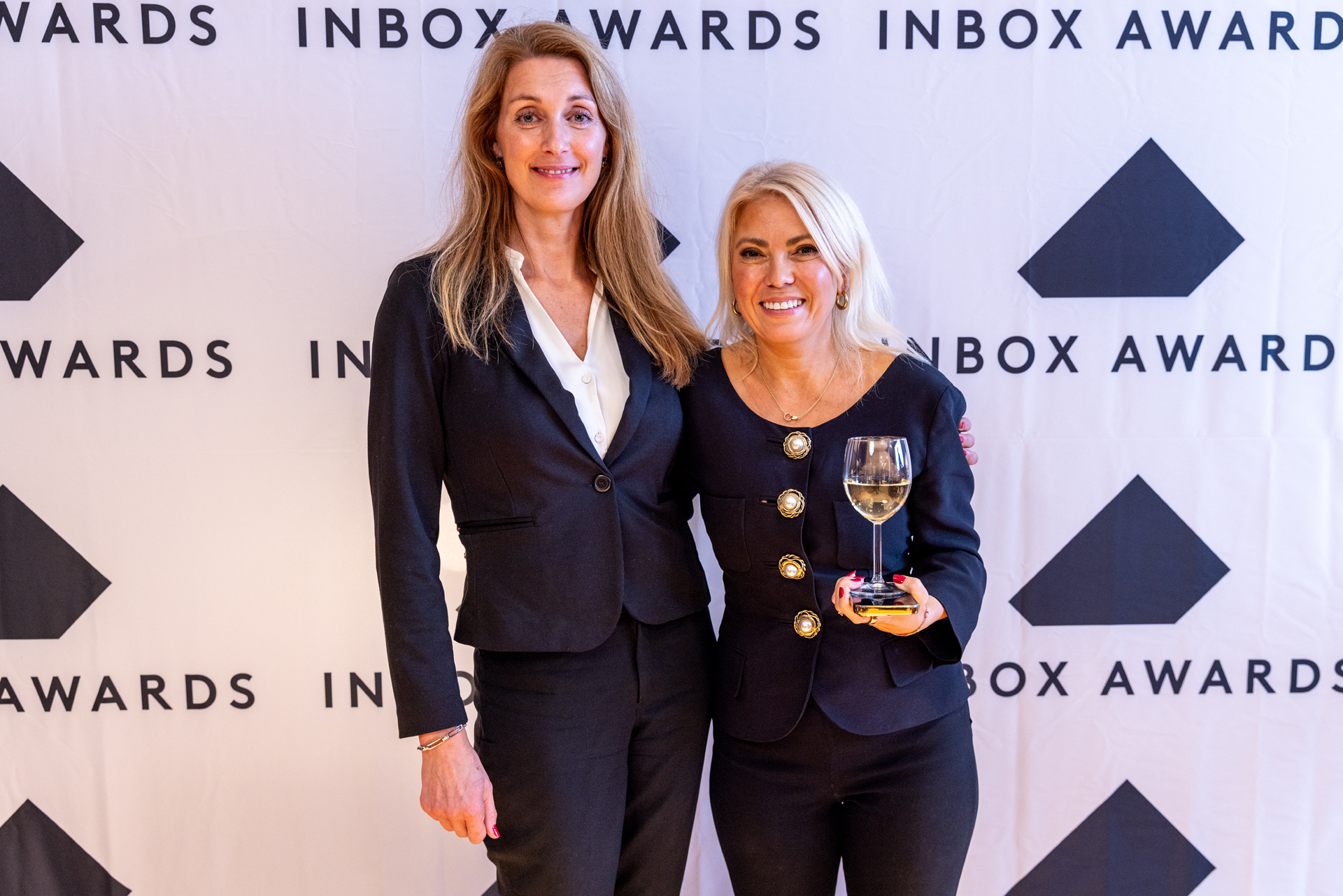
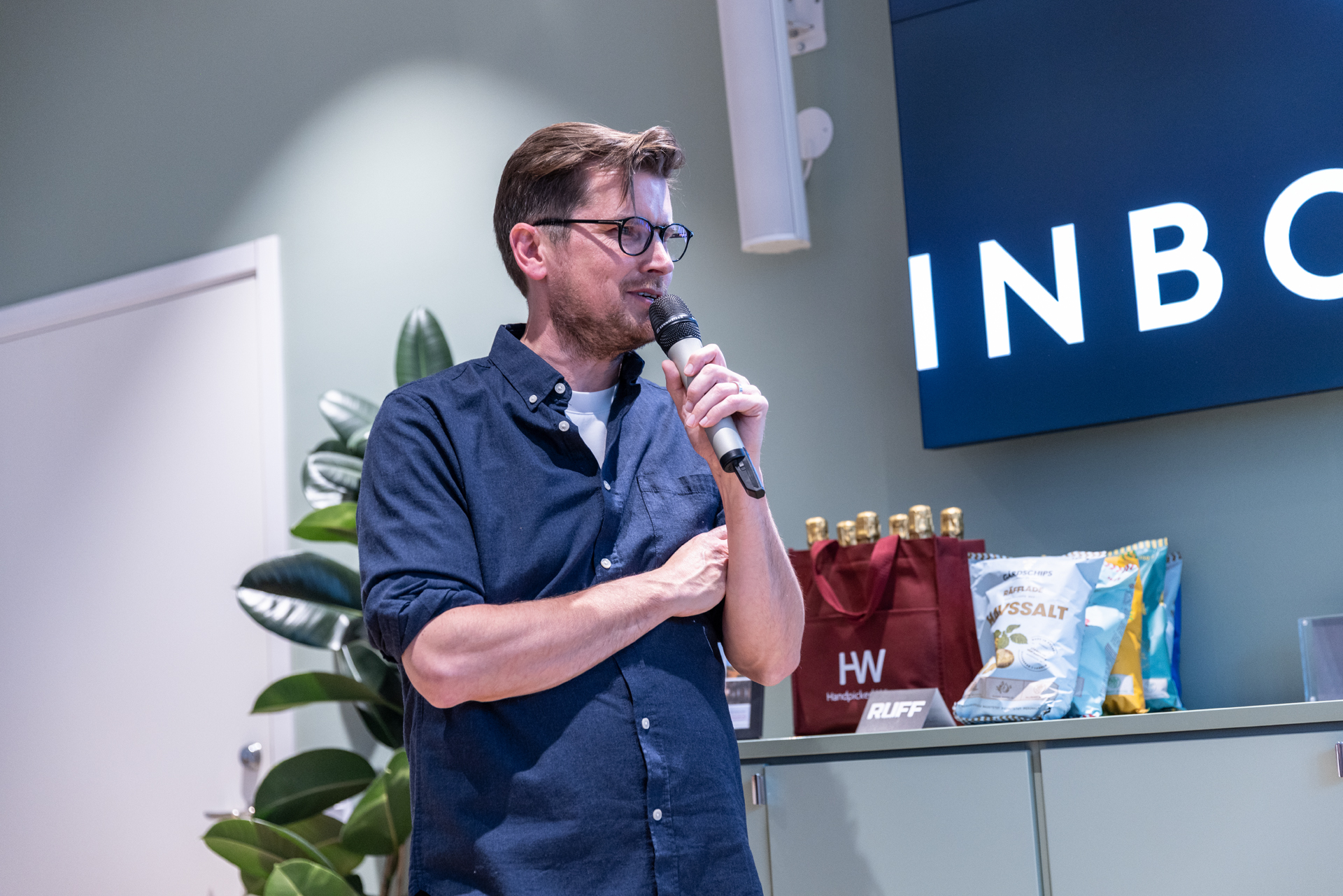
"Newsletters have gone from being spam to becoming one of the most powerful channels we have. This year's winners show how the format can be used effectively for almost anything, from quality journalism to inspiring people about culture and getting them to double-pole harder on the cross-country trail," says Karin Bäcklund, chair of the Inbox Awards jury.

Some of the winners:

Inbox Awards winners

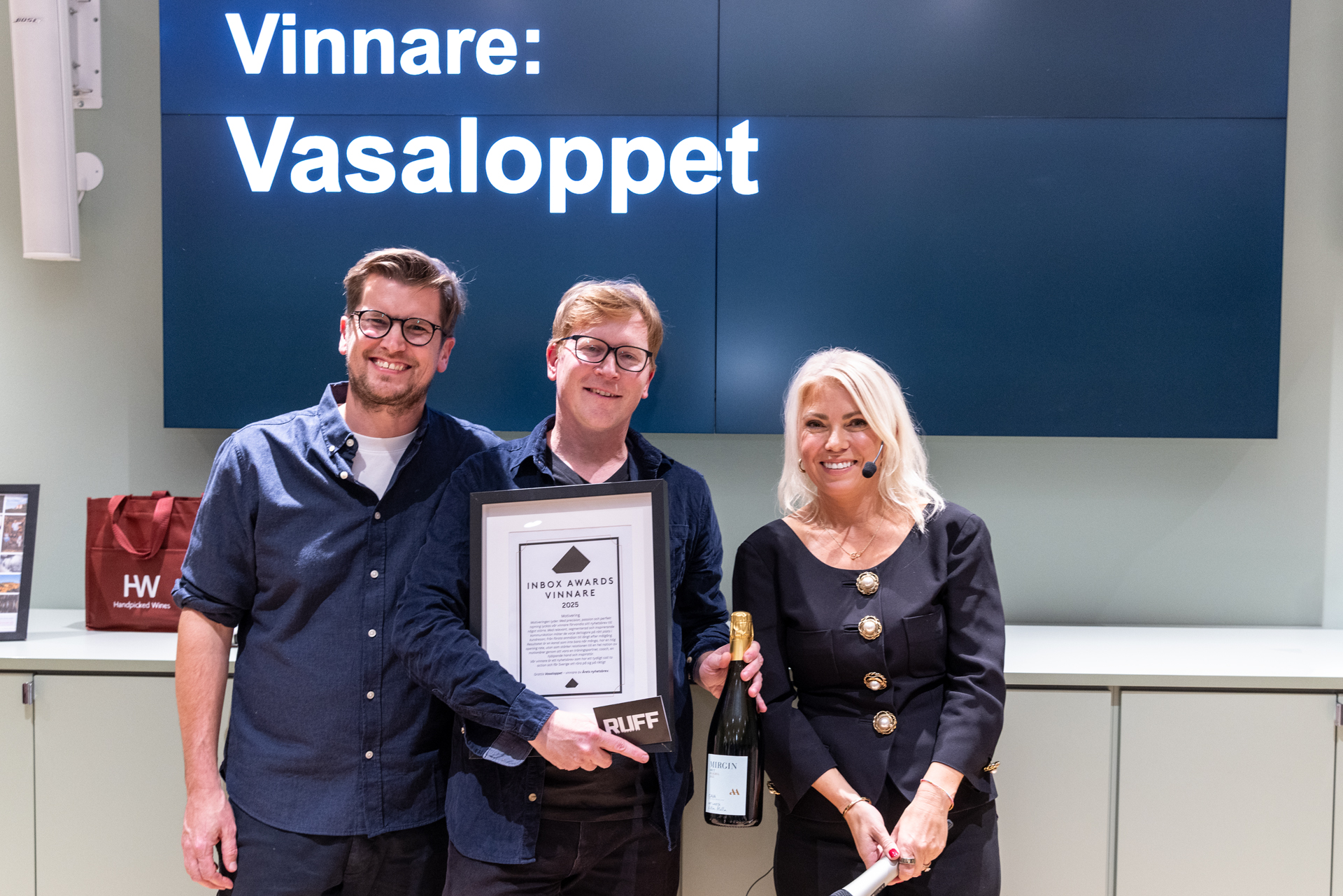
Newsletter of the year: Vasaloppet inspires all of Sweden

Vasaloppet's newsletter won the biggest award, Newsletter of the year, in competition with finalists such as:

  • NomoFomo
  • Niklas Laninge's newsletter
  • Lou's lista
  • Vad Vi Vet.

Vasaloppet pulled off the feat of turning its newsletter into an extension of the experience around the legendary ski race. According to the jury's motivation, they manage "with precision, passion and perfect timing to turn their newsletter into something bigger. With relevant, segmented and inspiring communication, they meet every participant at the right point in the customer journey – from the first registration to long after the finish line". The result is a channel that not only reaches a great many recipients with a high open rate, but also strengthens the relationship with a whole nation of recreational athletes by being a training partner, coach, helping hand and source of inspiration. Second place went to Vad Vi Vet, which with an educational ambition combines news precision with breadth. The newsletter makes complex issues understandable and smaller issues interesting – a textbook example of how to build trust with facts. Bronze went to the trend and media newsletter NomoFomo. Many of the newsletters honored at Inbox Awards use modern newsletter tools.

Data-driven: AI & Kommunikation automates insights

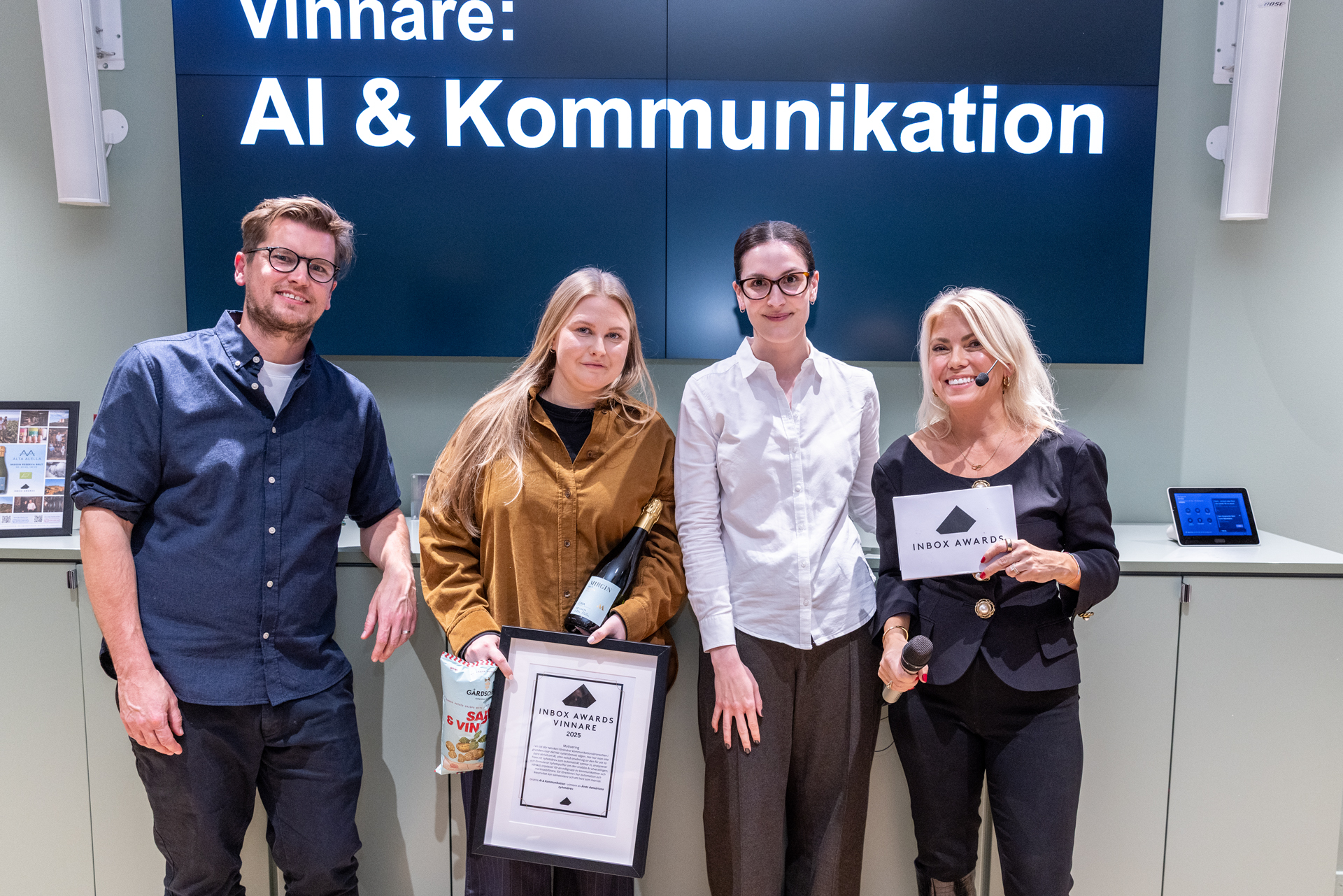
The Data-driven category honors newsletters that use personalization and data in smart ways. Maniola's newsletter AI & Kommunikation took home gold by not only writing about AI, but also using it. The newsletter automatically collects, analyzes and writes up news about AI developments – specially adapted for communicators and marketers. The jury called it "a model of how automation and creativity can coexist".

Silver went to Almedalsbrevet, which by analyzing party leaders' speeches and panelists during Almedalen Week shows how data journalism can create insights with both humor and precision.

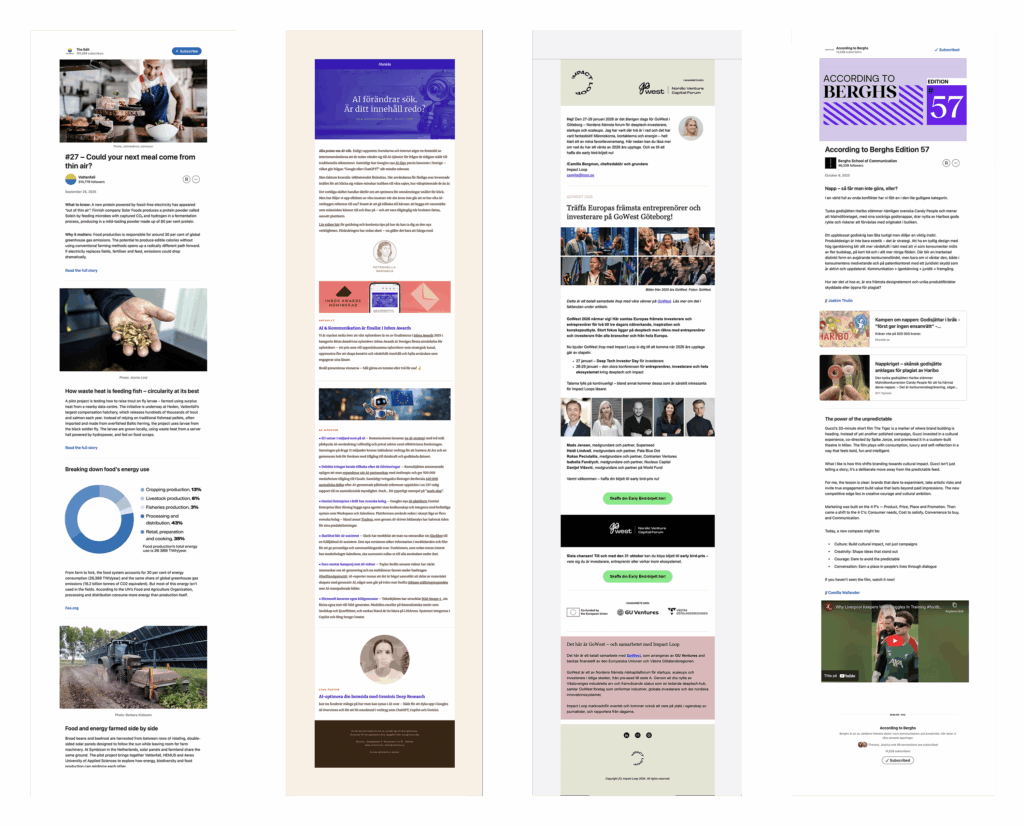
Most innovative: Vattenfall's The Edit sheds light on difficult topics

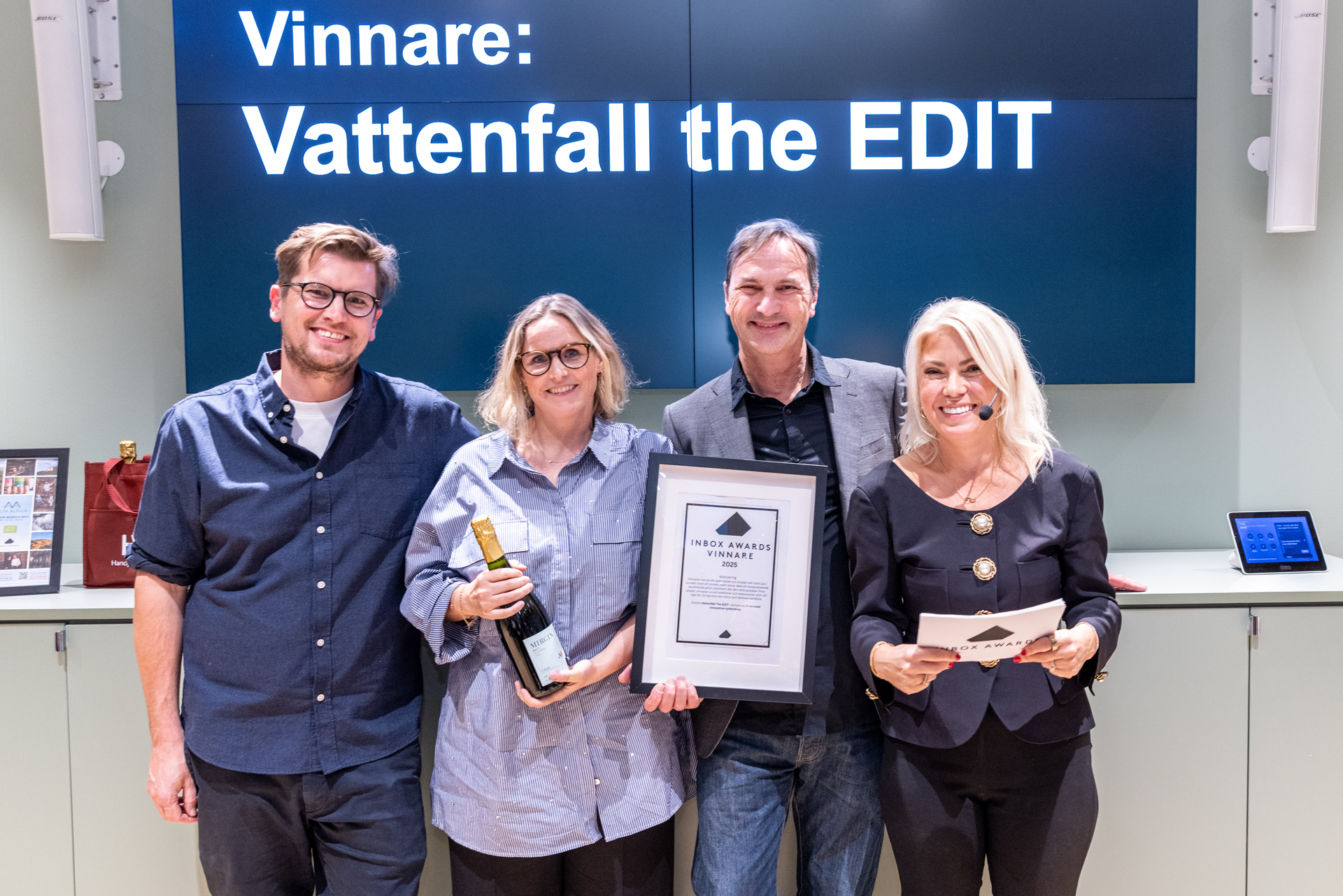
The Most innovative category rewards new formats, interactivity or creative strategies. Gold went to Vattenfall's newsletter The Edit, which with courage and a feel for storytelling takes on heavy topics such as energy issues. The jury praised "thought-provoking storytelling on a platform where the right audience is", and noted that the newsletter manages to spark discussions without shying away from the difficult.

The silver award went to the newsletter Detta förändrar ju allt! (Tomas SEO), which with a personal voice makes complex digital topics both understandable and entertaining.

Editorial quality: Impact Loop shows the way for niche journalism

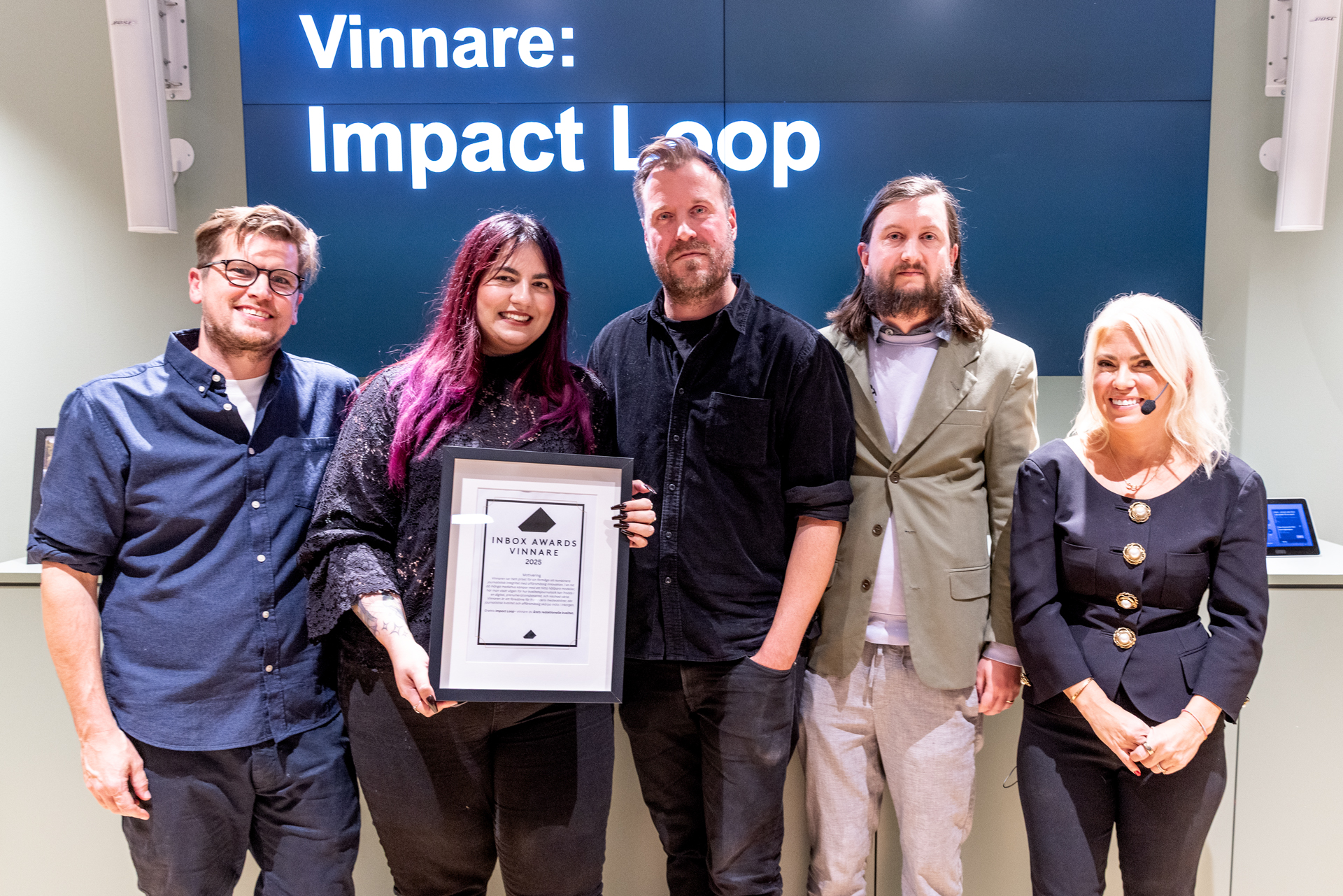
This category honors language, content and editorial skill. Impact Loop's newsletter was awarded gold for its combination of journalistic integrity and business innovation. The jury stated: "A model for the media players of the future, where journalistic quality and business sharpness meet in the inbox."

Silver went to SvD Techbrief, which with sharpness, pace and a clear structure delivers relevant tech news to a broad audience every day.

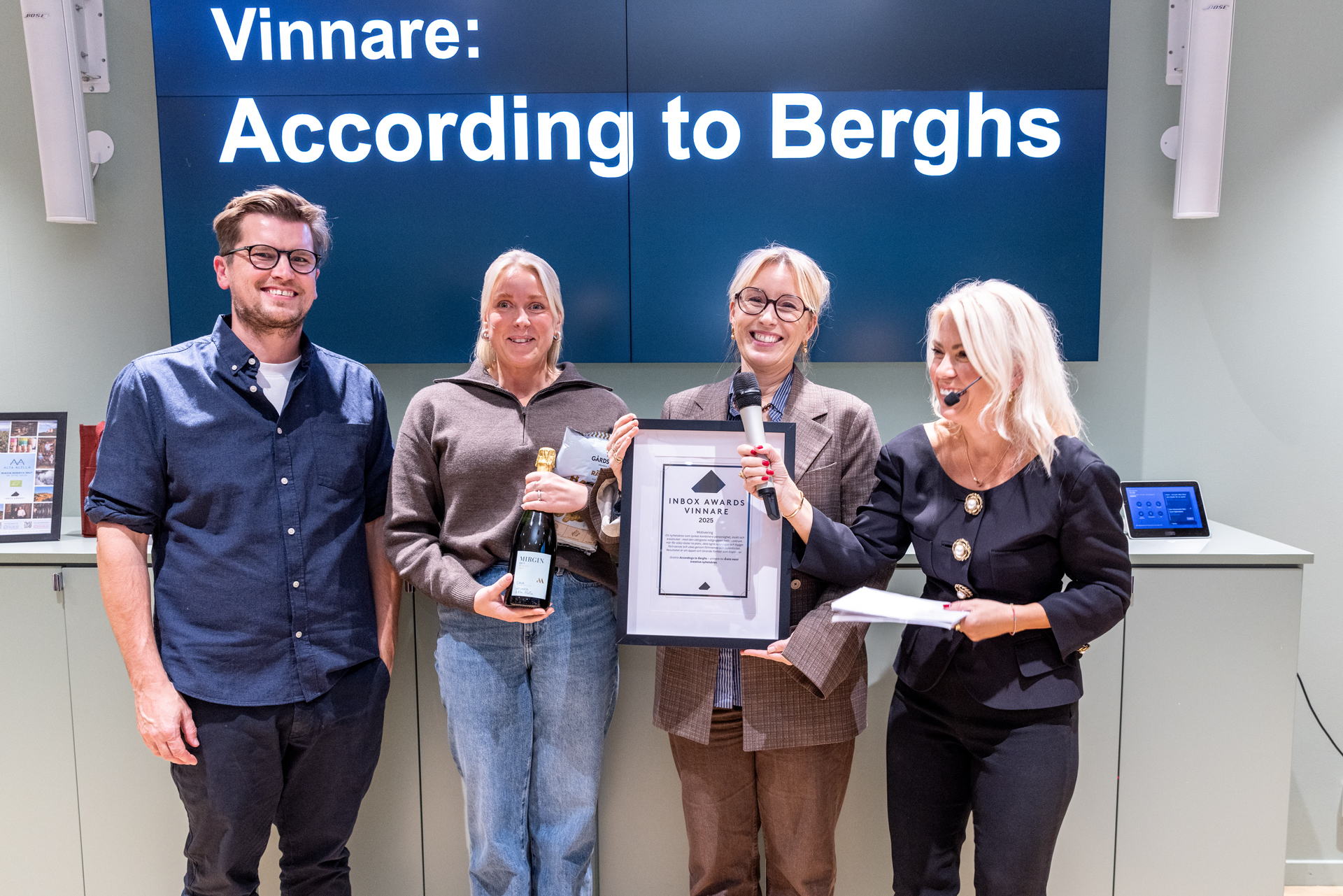
Most creative: According to Berghs puts the audience at the center

Creativity was rewarded in newsletters that dare to stand out in tone, format and idea. Gold went to According to Berghs, which lets several voices – teachers, students and guests – share insights and observations in a format that builds learning and community. The jury described it as "an open and learning format that inspires".

Lou's lista took silver by combining deep knowledge, humor and warmth in a personal newsletter about tech, careers and everyday life. Its credibility lies in its presence and tone – something many newsletters strive for but few achieve.

Honorary award: Slaktkyrkan captures its audience's tone

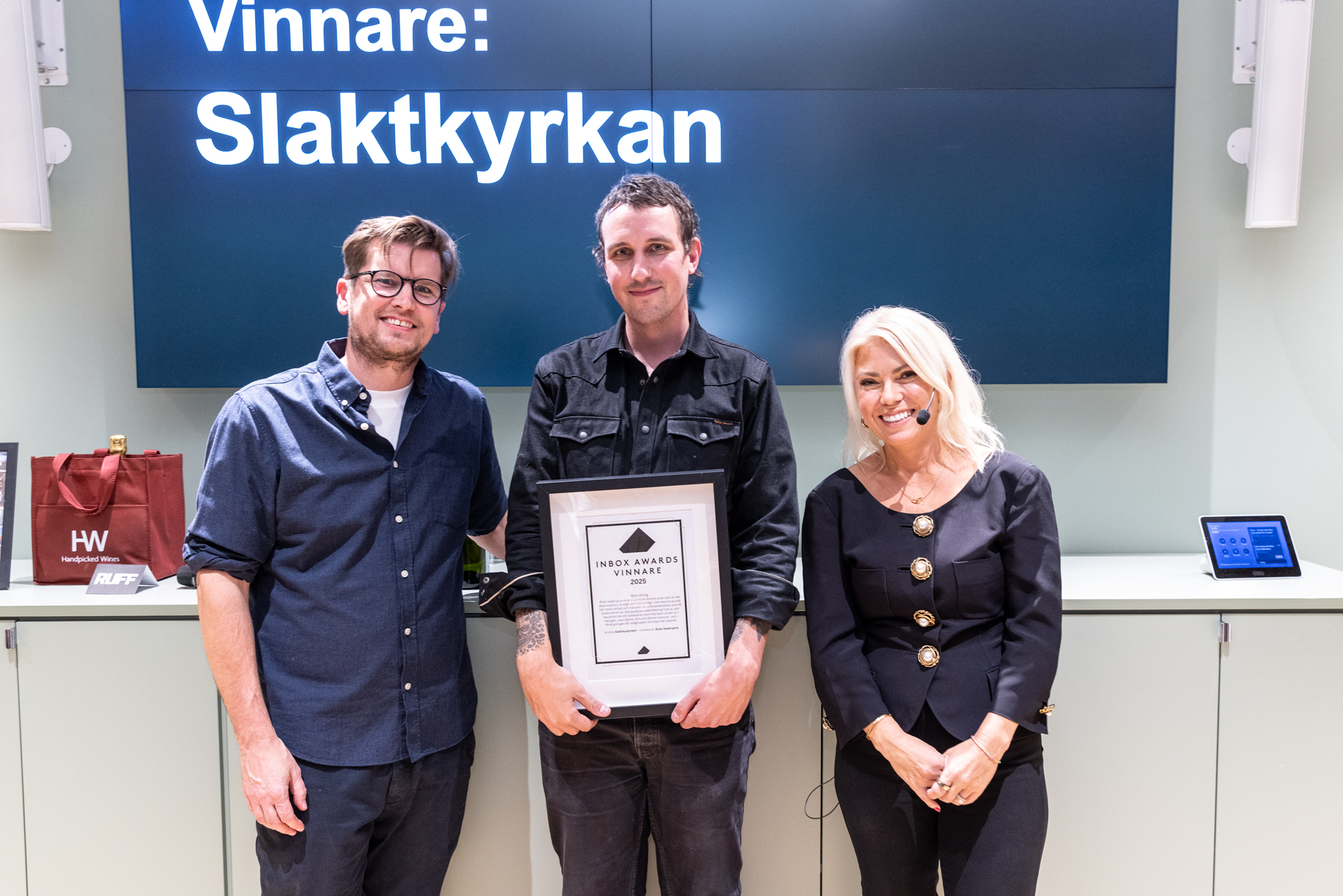
The honorary award went to Slaktkyrkan, a smaller player that shows how strong a newsletter can become when tone and target audience match perfectly. The jury stated that "the newsletter stands out in the inbox, is felt, heard and leaves a mark – and ultimately gets the audience to buy more tickets".

Inbox Awards photo gallery:
Photographer: Björn Dalin

Lessons from the winners – what makes a newsletter good?

Some common denominators recur in the winning newsletters:

  1. Segmentation and timing: Send the right content at the right time to the right person, something that often requires a good newsletter tool.

  2. A personal and clear tone: Let the sender's voice shine through.

  3. Data-driven creativity: Use insights, analysis and technology to create value.

  4. Journalistic quality: Carefully written, fact-based and relevant texts build trust.

  5. Audience fit: Know your audience and build content that suits them.

  6. Clear purposes: If the newsletter has a clear goal – such as increasing sales, spreading knowledge or building loyalty – this should show in its form, content and CTA.

Summary

Inbox Awards 2025 shows that newsletters today are much more than a mailing – they build brands, generate revenue and create loyalty. The winners inspire new thinking and show that newsletters can work both as a marketing channel and as a journalistic tool.

Paloma is proud to have been a partner of Inbox Awards and looks forward to supporting even more companies that want to create and send newsletters. Let this year's winners inspire you – and start thinking now about how your newsletter could be a candidate for next year's award.

Examples of really good newsletters

Several of the newsletters honored at Inbox Awards show how different formats can work in the inbox – from inspiration and journalism to analysis and community.

Here are some examples of newsletters that stood out:

  • Vasaloppet's newsletter – inspires participants and recreational athletes with training tips, information and motivation before the race.

  • Lou's lista – a personal and engaging newsletter about tech, careers and everyday life with a clear voice of its own.

  • Vad Vi Vet – an educational newsletter that explains current issues and makes complex topics understandable.

  • SvD Techbrief – a newsletter focused on technology, innovation and digital development, with a clear structure and a high level of topicality.

What these newsletters have in common is that they combine a clear sender, relevant content and a strong relationship with their audience.

Want to create a newsletter that engages readers yourself? Then you can use a tool where you can easily create and send newsletters.

Closing thoughts on the newsletter's journey

The newsletter has a long and fascinating history.

It all started long before email. As early as the 16th century, news sheets were printed in Europe – short, often weekly compilations of news that were sent out to a limited circle. In the 17th century the first real newspapers appeared, but newsletters lived on alongside them as a way to reach a select audience with more targeted information.

The world's first email was sent in 1971 (although experiments with email had begun as early as 1969) by the American programmer Ray Tomlinson. He sent the message to himself between two computers standing next to each other, connected through the military network ARPANET. Tomlinson is also the originator of the @ symbol in email addresses. He also created the program that made it possible to send messages between different computers – something that laid the foundation for today's email. Back then it was an experiment. Today we know that it was the starting point for a completely new form of communication.

In the 1990s, email exploded, and with it newsletters. For many companies, it quickly became a way to talk directly to their customers, without intermediaries. At the same time, we as recipients began to realize that the inbox could be both a place for knowledge and inspiration – and sometimes an overflowing mailbox.

A lot has happened since then. Social media has come and gone in waves, algorithms have changed overnight, but the newsletter has stood firm. It is still one of the most direct and personal channels we have, and it has actually had something of a renaissance in recent years.

Why? Well, because we want to decide for ourselves who we listen to. The newsletter offers something social media cannot: a direct relationship between sender and recipient, without filters.

Today, newsletters are not just information channels – they are communities, creative expressions, journalism, marketing and personal voices. They can be as simple as a note about this week's lunch menu, or as ambitious as a daily newspaper in miniature.

It is precisely this diversity that we celebrate with Inbox Awards. From the printed news sheets of the 16th century to today's most innovative digital formats – the newsletter keeps evolving and engaging, and it truly deserves to be celebrated.

Read more about Inbox Awards here!
The award was founded by newsletter lovers and PR consultants Karin Bäcklund and Erik Boltjes